
Water 2026, 18(19), 2483
Brazauskas, M.; Povilaitis, A. Biofloc Versus Recirculating Aquaculture Systems: A Sustainability-Oriented Review and Evidence Gap Analysis for African Catfish (Clarias gariepinus). Water 2026, 18(19), 2483.
Prevent avoidable calculation errors at the pond bank—overfeeding, pH-driven toxic free NH₃ spikes, or miscalculated carbon doses. Built on commercial African catfish RAS farming and Biofloc research in Lithuania, and localized into 11 farm-worker languages across Asia and Africa.
We treat aquaculture as an exact engineering and biological discipline—combining daily water-chemistry stoichiometry with industrial-grade recirculating infrastructure.
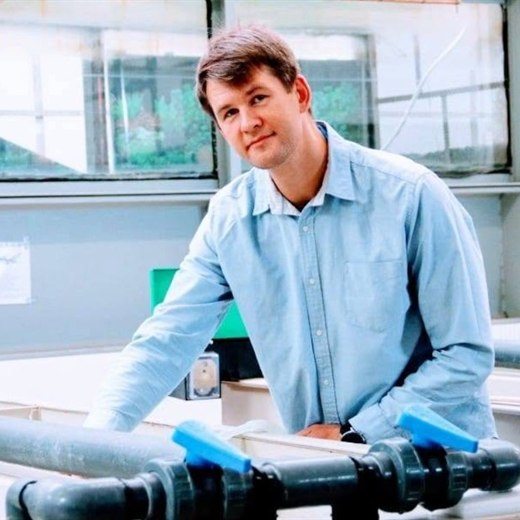
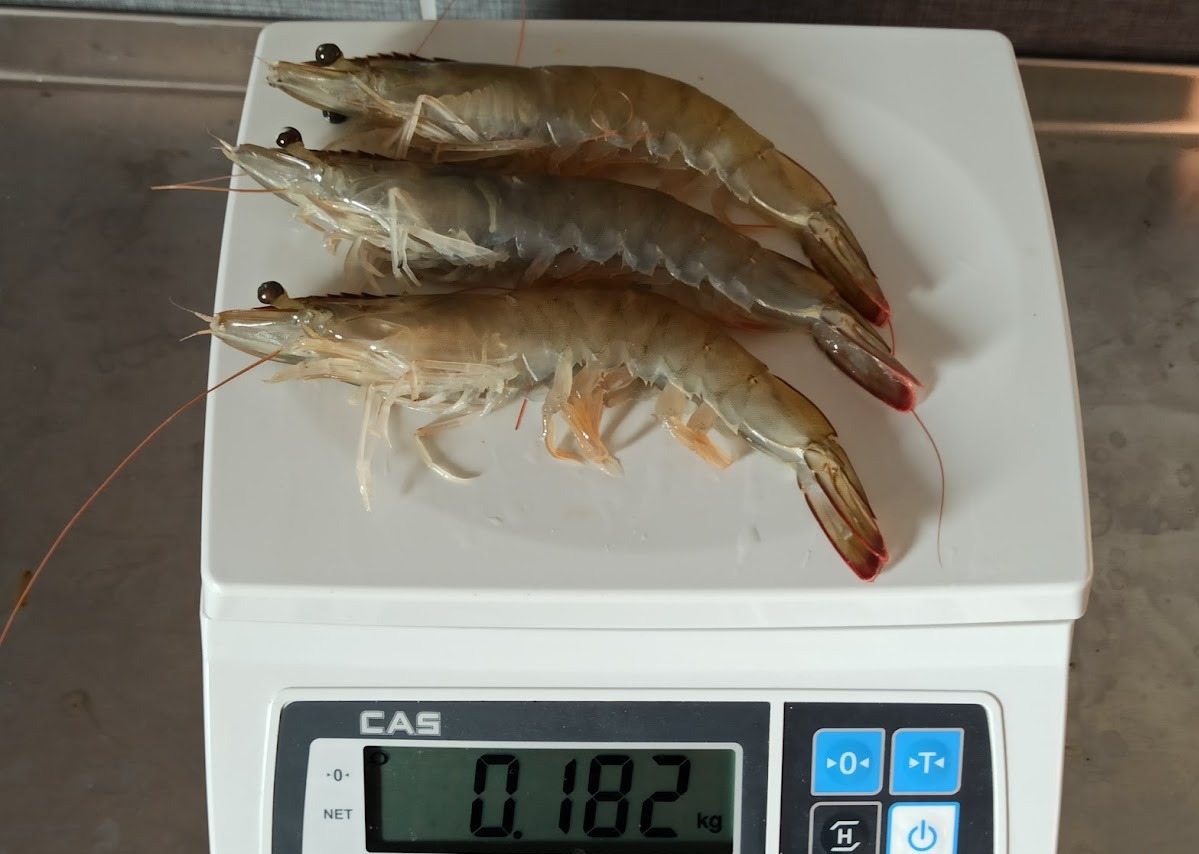
Aquaculture technologist with 10 years of indoor RAS and Biofloc experience—from salmonids and 3 years as Chief Technologist managing an indoor Biofloc whiteleg shrimp farm (routine Vibrio monitoring, C:N carbohydrate dosing, and grow-out cycle planning) to commercial African catfish (Clarias gariepinus) RAS farming at UAB Žuvies kultas. Leads water-chemistry modeling and Biofloc R&D with VMU Aquaculture Centre (TRL-6 → TRL-8, in progress).
Biological know-how alone is never enough in intensive aquaculture—stable production requires rock-solid physical infrastructure. A civil engineering specialist with 15+ years of experience in the construction and engineering sector, Mindaugas leads B2B operations at UAB Aquaculture (aquaculture.lt) and oversees complex RAS farm infrastructure, technical standards, and process reliability at UAB Žuvies kultas.
Brazauskas, M.; Povilaitis, A. Biofloc Versus Recirculating Aquaculture Systems: A Sustainability-Oriented Review and Evidence Gap Analysis for African Catfish (Clarias gariepinus). Water 2026, 18(19), 2483.
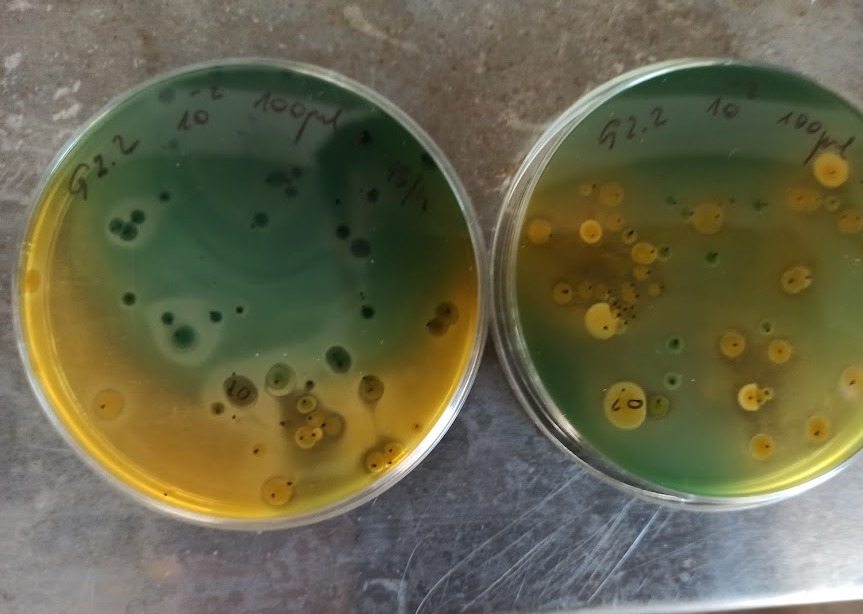
Our biofloc R&D with VMU Aquaculture Centre was covered in Eurofish Magazine 6/2025.
Inspect our stoichiometry, oxygen transfer math, and pond workflows openly on Google Play, YouTube, and LinkedIn before starting a pilot or booking a session.
When pond workers miscalculate daily C:N carbon doses or miss pH-driven NH₃ spikes, water quality swings—and farmers blame their feed or probiotic supplier. We help aquaculture networks, input manufacturers, and academies put accurate offline math in every technician's pocket.
We custom-program a dedicated pilot module for your product line so your technical team and selected farms can validate real pond results before discussing any commercial terms.
Practical technical sessions for shrimp (vannamei), tilapia, and catfish (lele) grower communities—combining real pond stoichiometry with live simulator scenarios.
AquaSim requires no login, ads, or seat licenses for classroom use—letting students experience a 3:00 AM hypoxia or nitrite crisis before handling live wet-lab fish.
Designed for fast, consistent pond-side decisions: keeping dissolved oxygen in the safe range, controlling feed conversion ratio (FCR), and replacing paper guesswork with repeatable math.
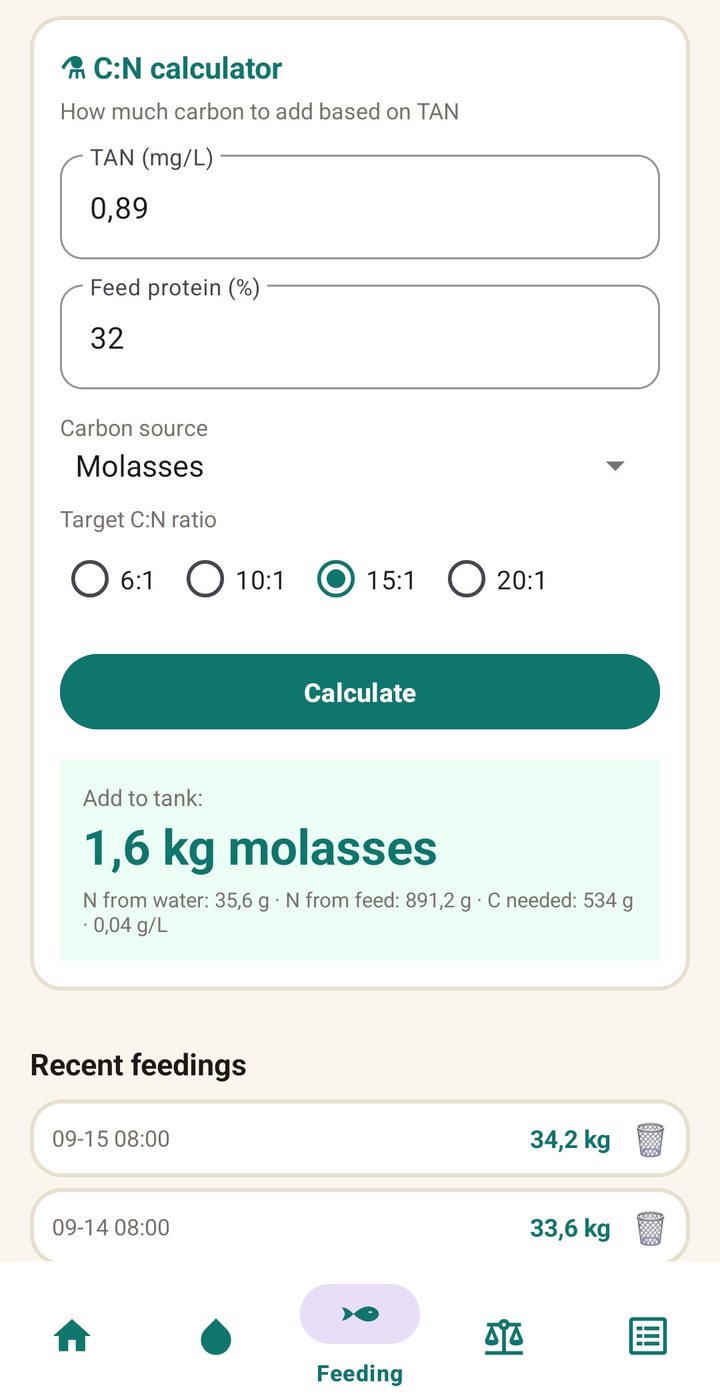
What you get: Enter your measured TAN (e.g. 0.89 mg/L) and feed protein %, choose molasses, sugar, or starch, and get the calculated carbon weight to dose (1.6 kg molasses)—accounting for both water nitrogen and daily feed nitrogen so you avoid blind overdosing.
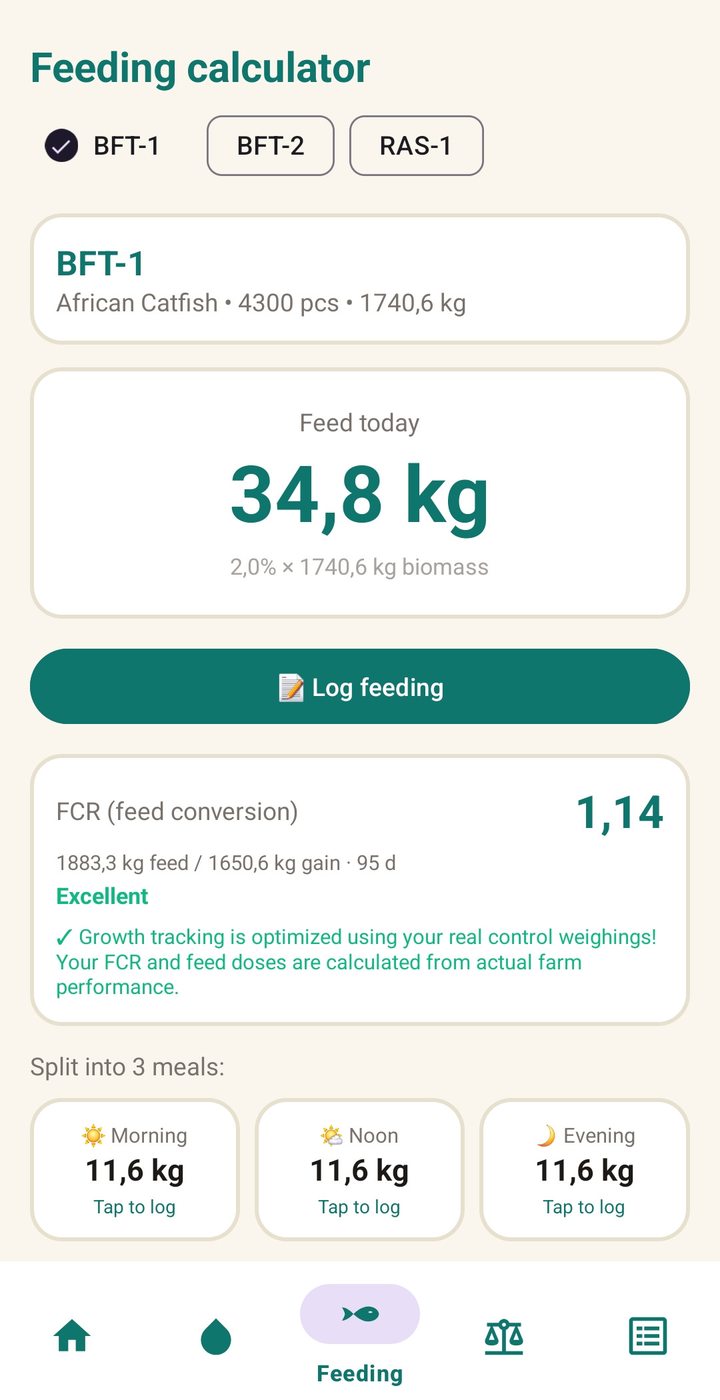
What you get: Feed represents the largest variable cost on intensive farms. The app adjusts daily rations from your control weighings (tracking real FCR such as 1.14) and splits today's ration into clear Morning, Noon, and Evening portions for staff to tap and log.
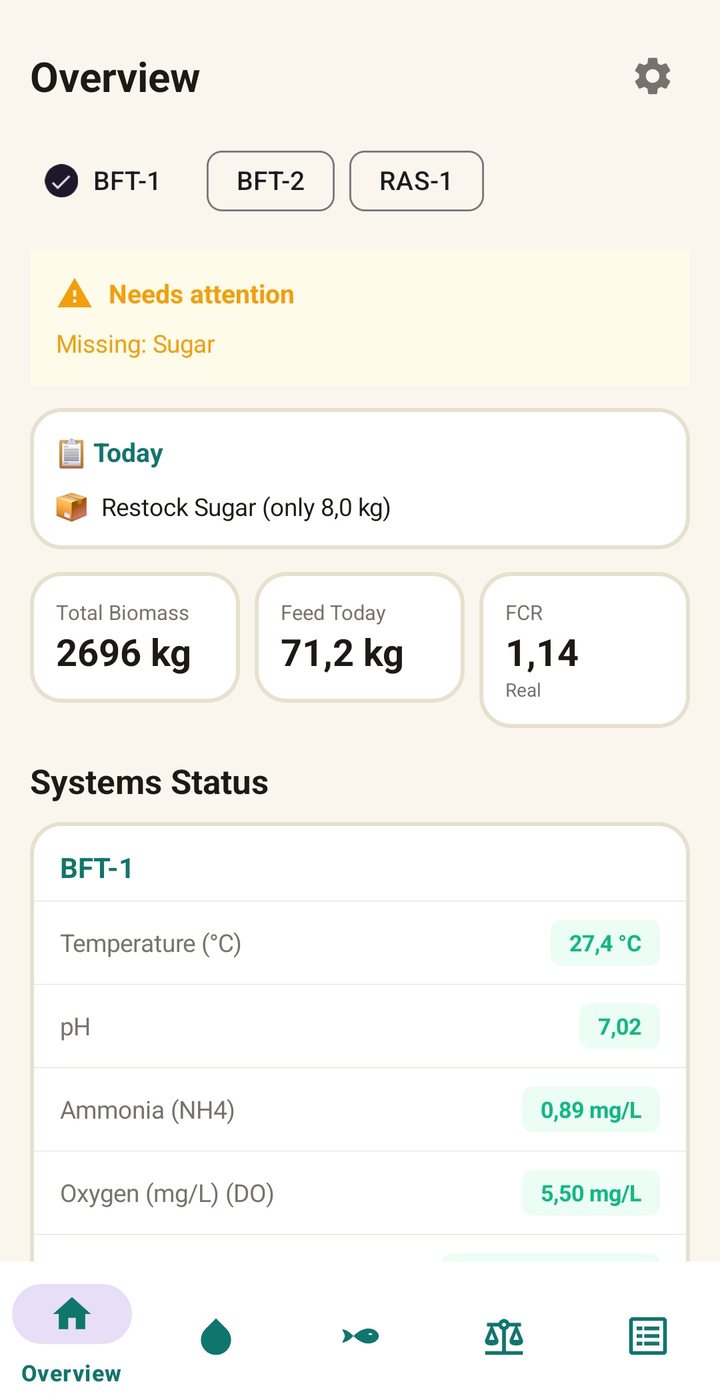
What you get: Switch cleanly between Biofloc tanks, earthen ponds, and RAS loops (BFT-1, BFT-2, RAS-1). Track on-farm carbon and mineral inventory so the dashboard warns you early: "Restock Sugar (only 8.0 kg left)".
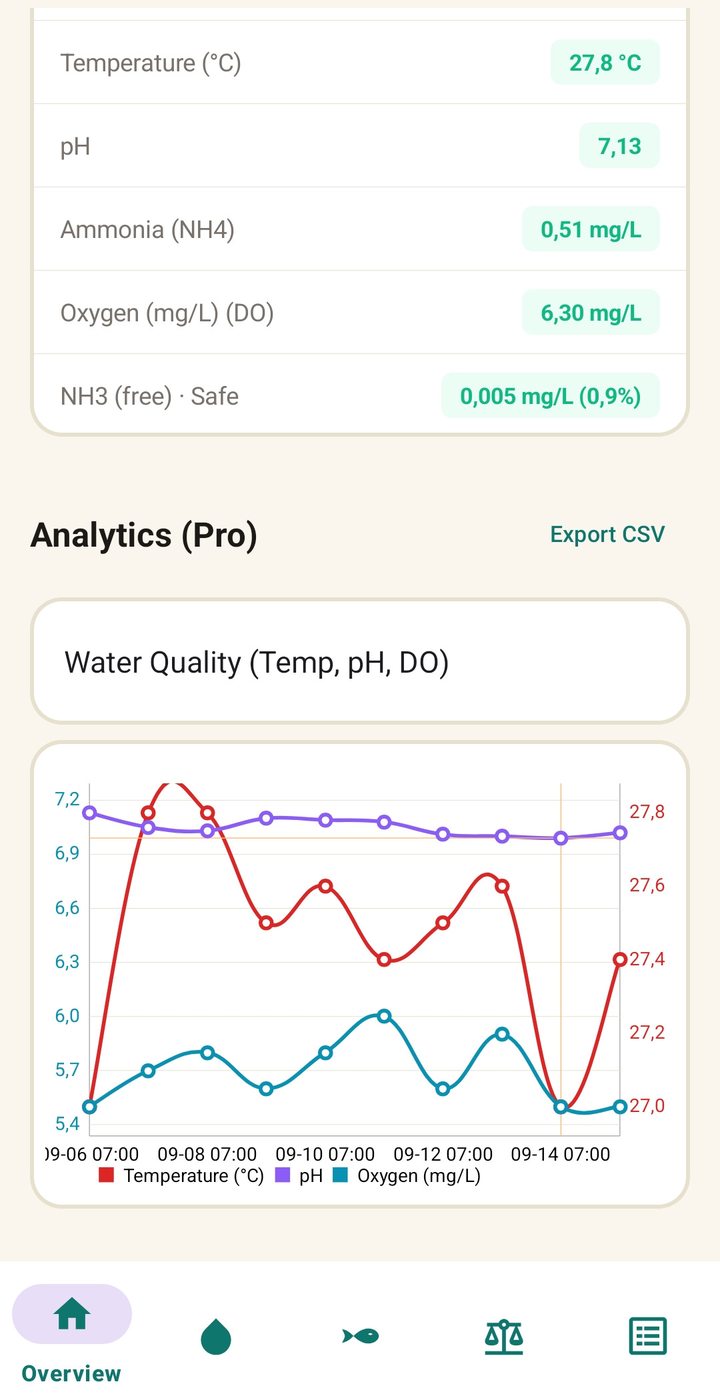
What you get: Colorimetric test kits measure total TAN—which behaves very differently at pH 6.8 versus pH 8.2. The app calculates toxic unionized NH₃ (free) from your logged temperature and pH, plots multi-week DO/TAN/NO₂ curves, and exports clean CSV logs.
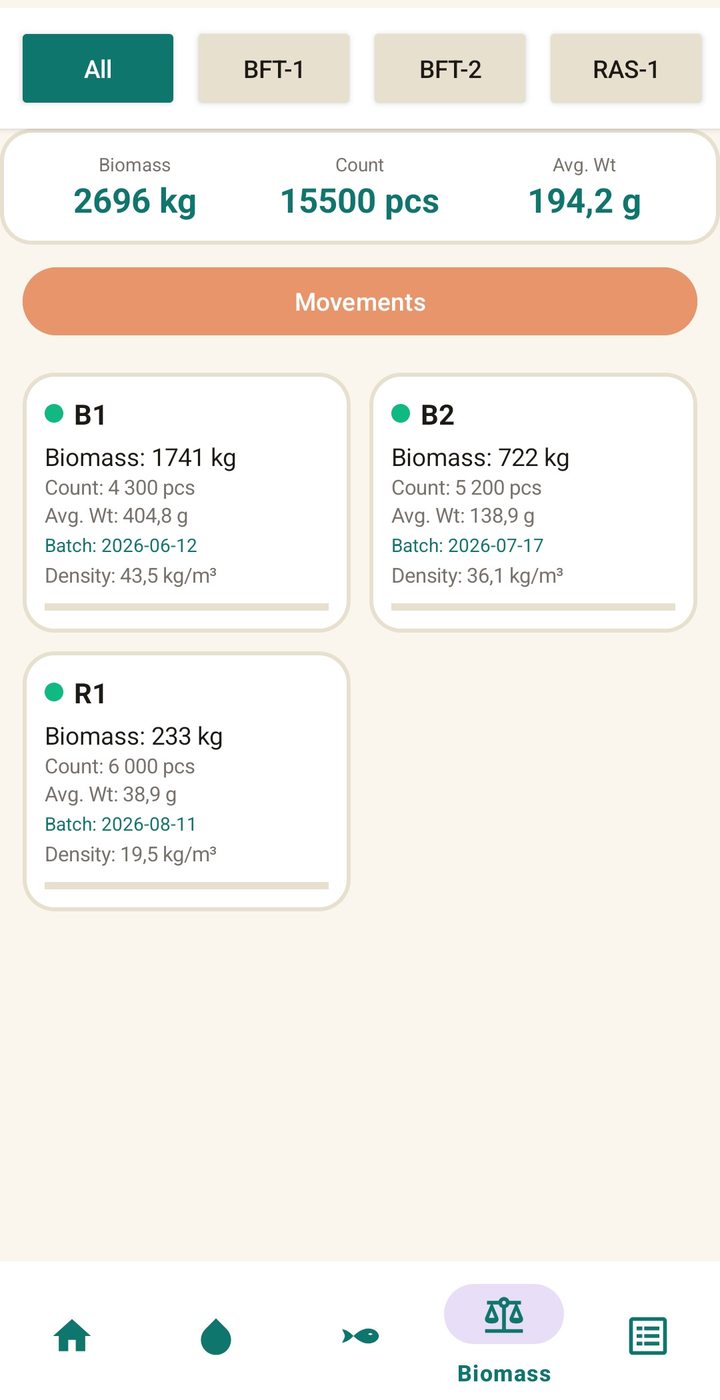
What you get: Track standing fish weight across your farm (e.g. 2,696 kg / 15,500 pcs) alongside each tank's stocking density (43.5 kg/m³), average individual weight, grading transfers, harvests, and mortality records.
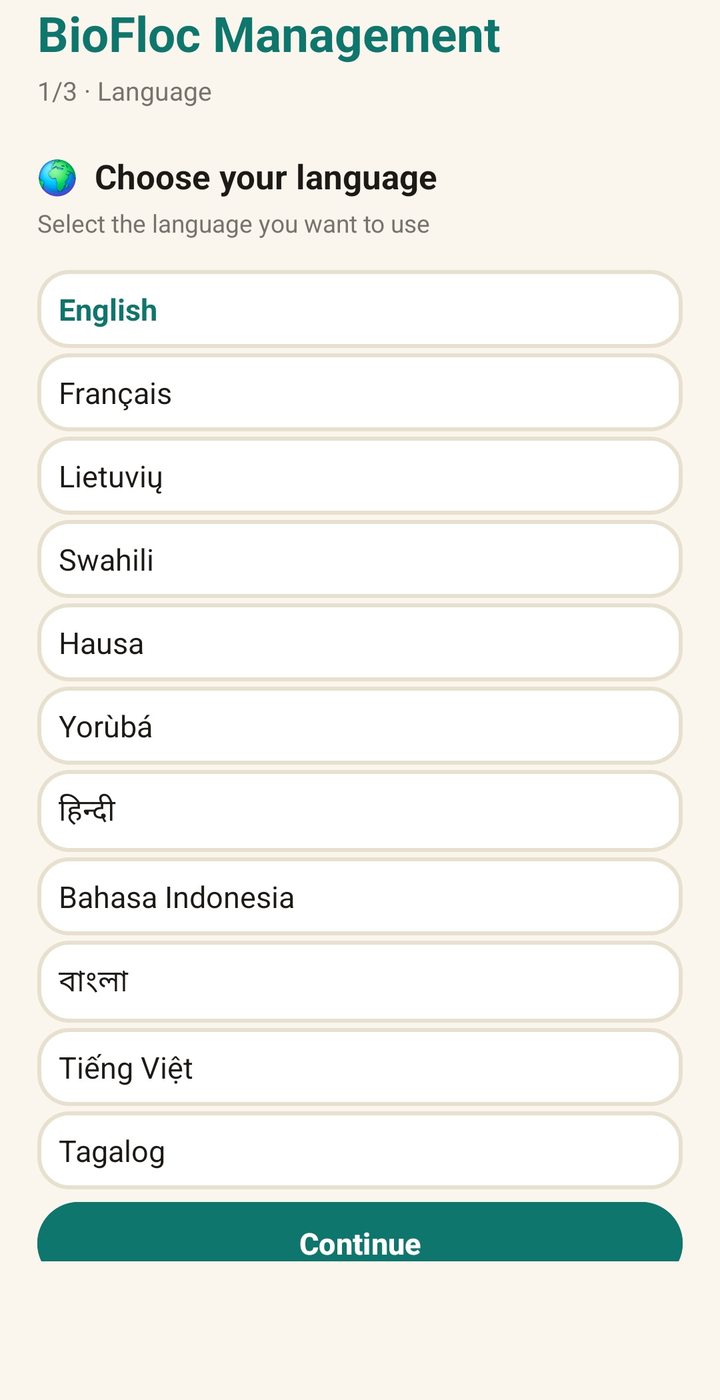
What you get: Pond staff don't need fluent English to follow accurate protocols. Switch instantly between English, Bahasa Indonesia, Vietnamese, Hindi, Bengali, Tagalog, Hausa, Yorùbá, Swahili, French, and Lithuanian.
Built for students, farm technicians, and project planners as a practical "flight simulator" for RAS, Biofloc, and Aquaponics water chemistry and unit economics.
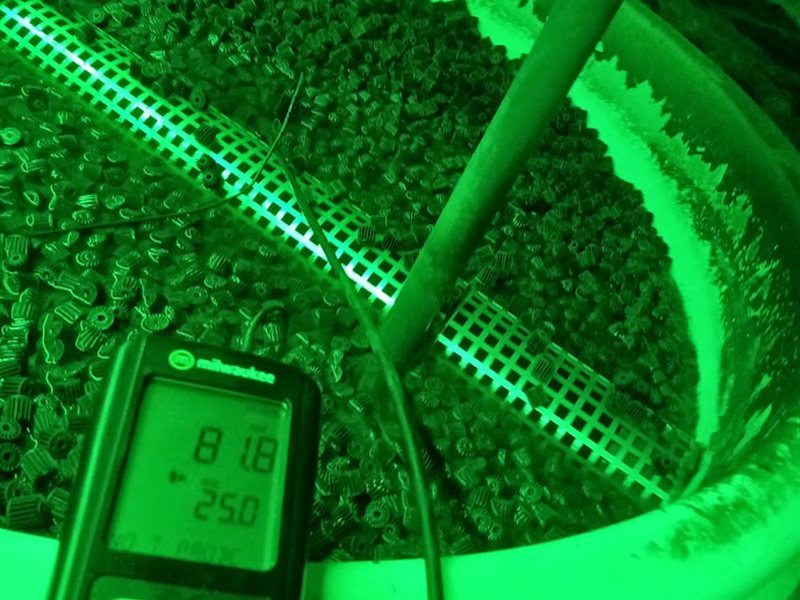
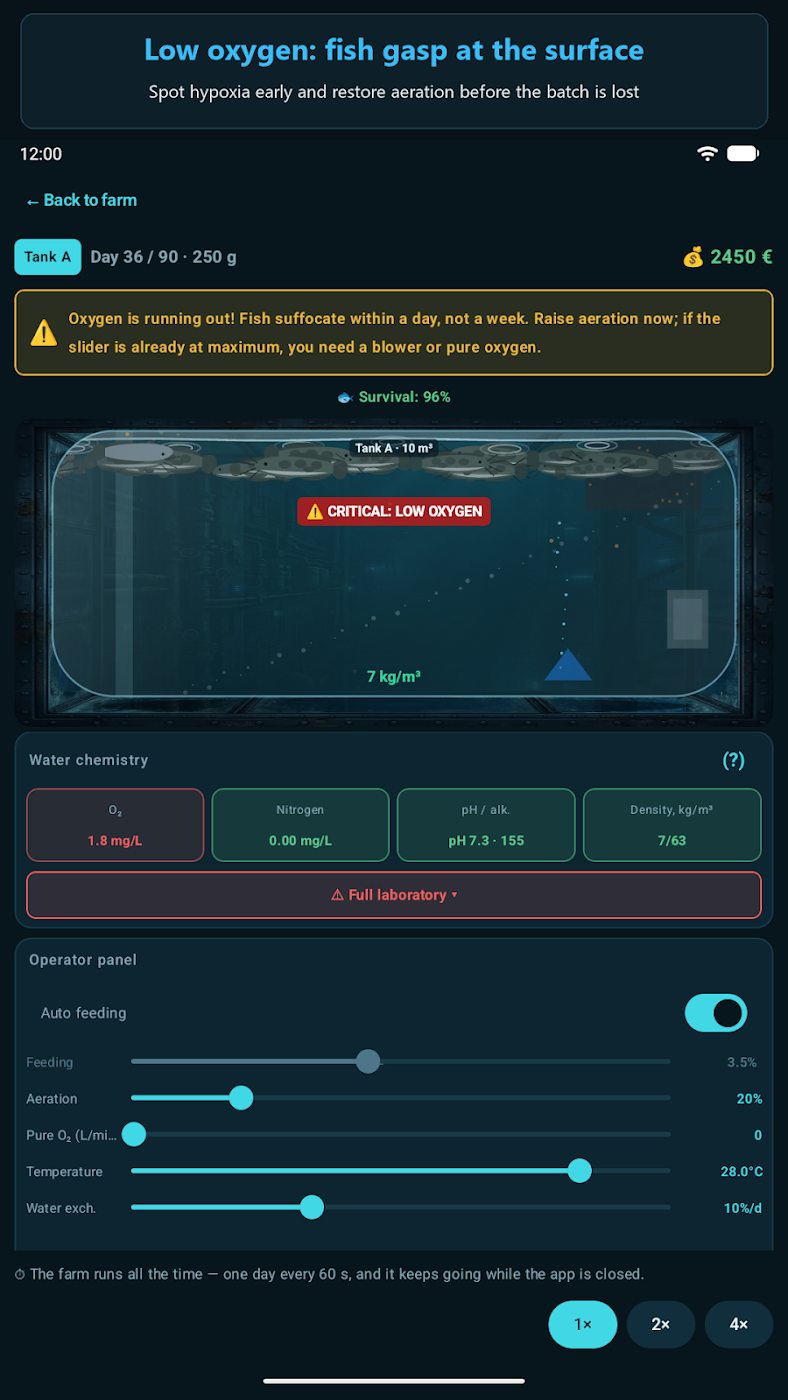
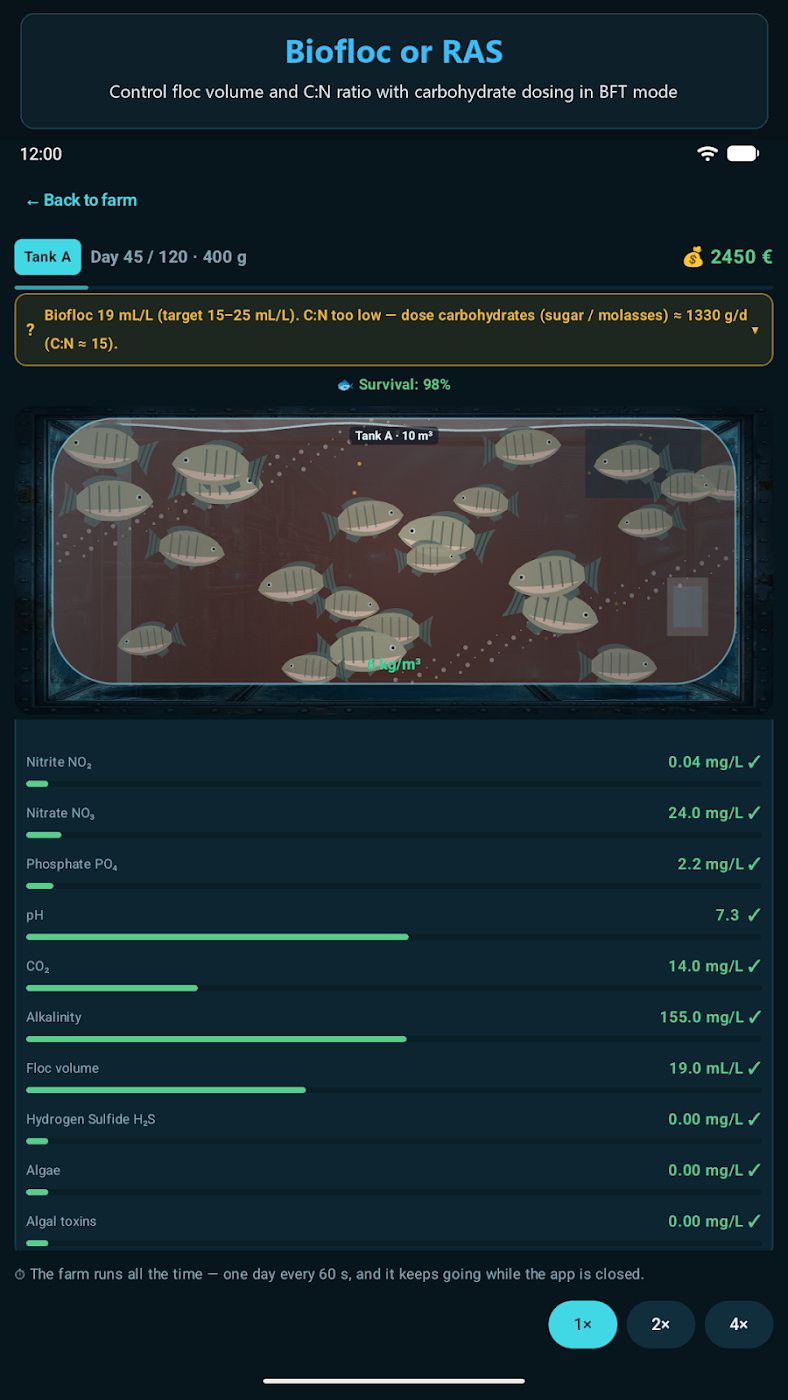
What learners get: Observe how quickly dissolved oxygen drops toward 1.8 mg/L under heavy biomass load. Trainees learn when surface aeration reaches its physical transfer limit and when backup blowers or pure oxygen cones become essential.
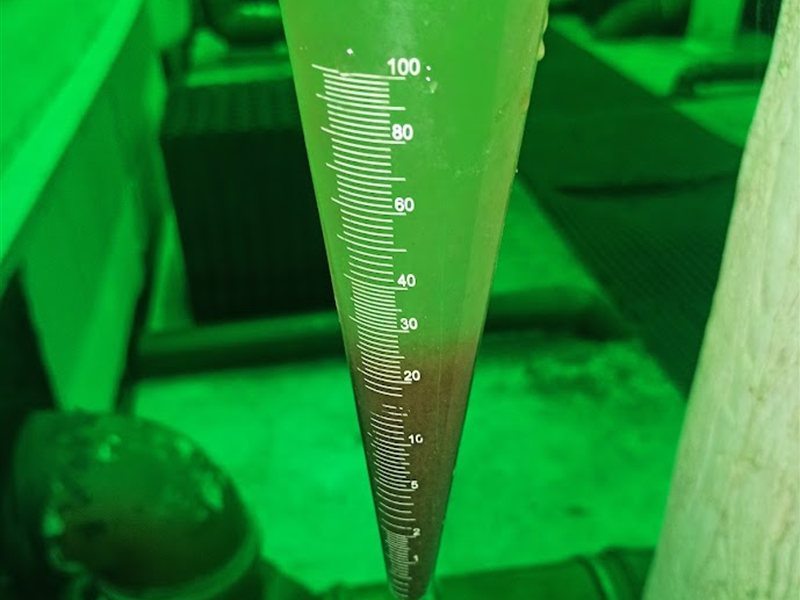
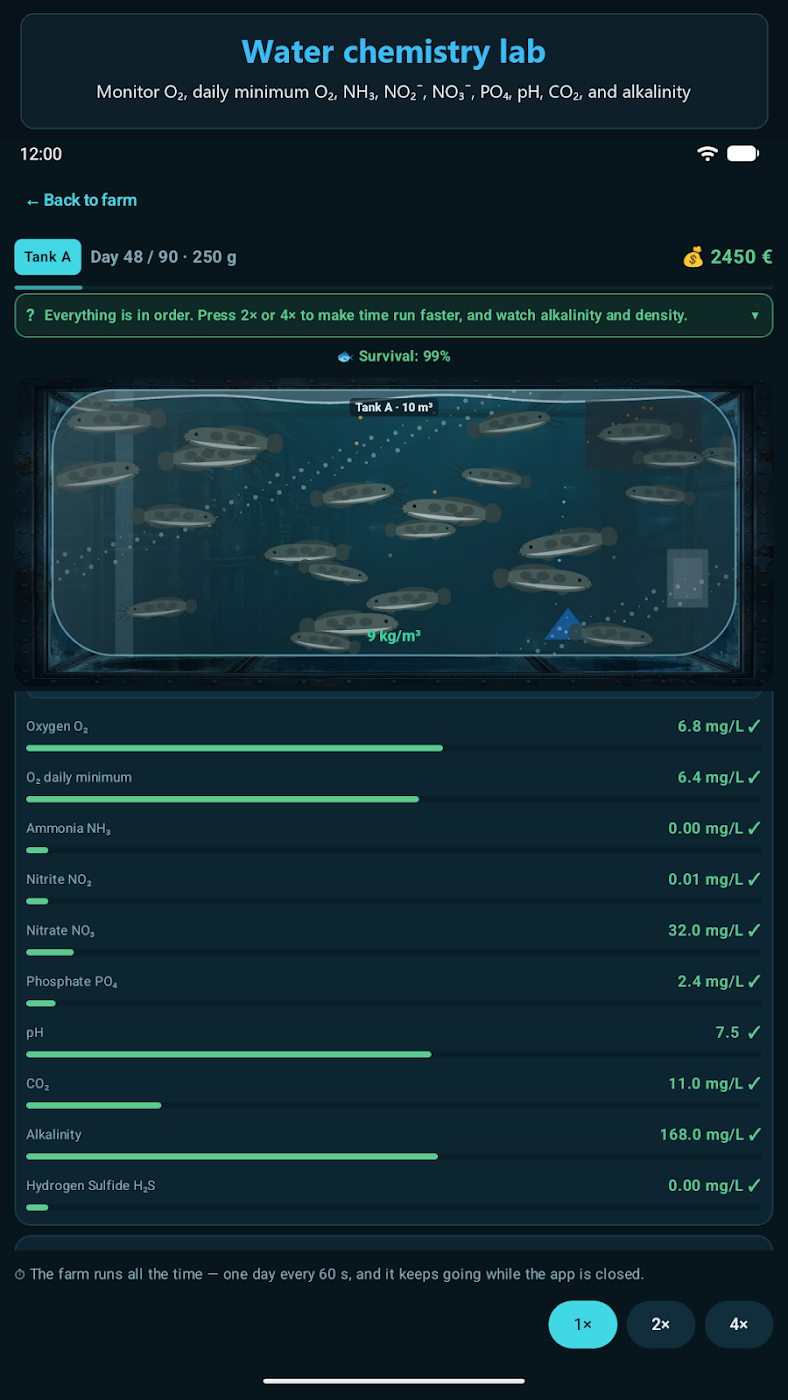
What trainees & instructors get: Practice coupled nitrification and heterotrophic carbon dynamics across O₂, daily minimum O₂, NH₃, NO₂⁻, NO₃⁻, PO₄, pH, CO₂, alkalinity, floc volume (mL/L), and H₂S.
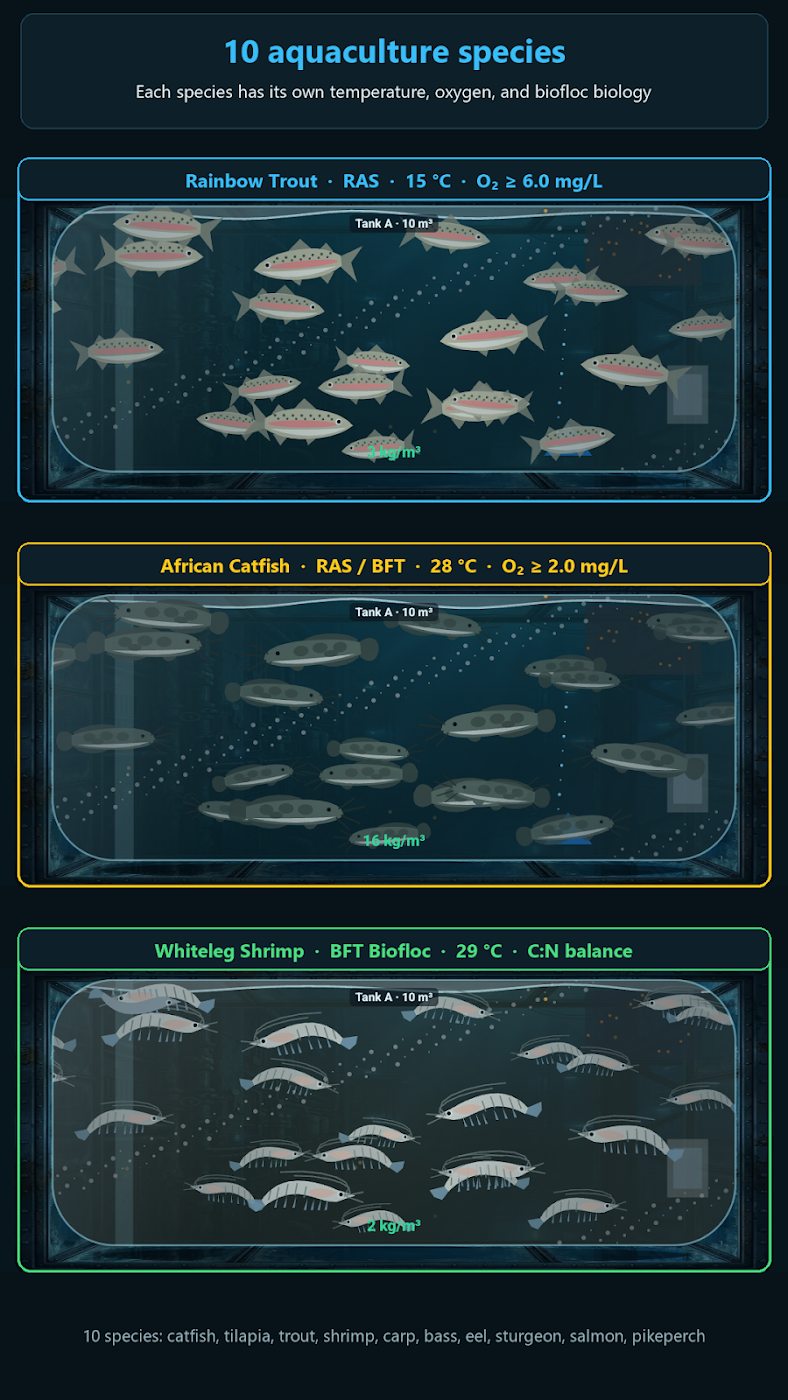
What investors & planners get: Explore biological tolerances and electricity/feed cost sensitivity for Whiteleg Shrimp, Nile Tilapia, African Catfish, Trout, Salmon, Sturgeon, Carp, Eel, Bass & Pikeperch across Vietnam, Nigeria, Egypt, Poland, Norway & USA.
Core multi-tank tracking, feeding schedules, and C:N calculations work free offline. Upgrade on Google Play when you want multi-week water-quality trend charts, automatic free-NH₃ tracking, and full CSV exports.
Flexible monthly access for testing full water-chemistry charts and CSV exports during a production batch.
Save 50% compared to monthly billing—continuous water-quality history and FCR tracking across multiple harvests.
Early-supporter launch offer valid until December 31, 2026. Unlock BioFloc PRO permanently with zero recurring charges.
Multi-tank BFT, pond & RAS tracking is free for everyone. Prices in USD; local taxes may apply. Google Play charges in your local currency — in many countries across Asia and Africa regional Play Store pricing is adjusted locally. Monthly and Annual include a 7-day free trial for new subscribers.
No. BioFloc Management has no user accounts and no sign-in. All tank, pond, feeding, and water-quality records stay strictly on the user's phone, and we never receive them. The app sends only anonymous usage statistics and crash reports via Google Firebase (never including names, farm/tank names, or measurement values), which can be switched off in Settings. AquaSim is a training simulator and asks for zero farm data. Neither app shows ads or sells data (BioFloc Privacy Policy · AquaSim Privacy Policy).
The calculator combines existing water TAN across your tank or pond volume with daily nitrogen input from feed protein %, then computes the carbon weight needed for your chosen source (molasses, sugar, or starch). For ammonia safety, it applies the temperature- and pH-dependent Emerson equilibrium to separate total TAN into harmless NH₄⁺ and gill-toxic unionized free NH₃.
Both apps are free to download on Google Play; BioFloc Management offers an optional PRO upgrade for long-term charts and CSV exports. For probiotic/feed brands, aquaculture networks, and universities, we start with a no-obligation field or classroom pilot first, working together with local partners through UAB Aquaculture (Lithuania, EU).
Our sustainability and evidence-gap review comparing Biofloc and RAS for African catfish (Clarias gariepinus) is published open-access in Water 2026 (DOI: 10.3390/w18192483), alongside coverage in Eurofish Magazine 6/2025 and our commercial reference RAS farm UAB Žuvies kultas.